

Access federal services, visa information, Medicare, Centrelink, and other national support resources in one place.
We collaborate with local and national organizations to deliver practical support for our community. Use the info badge or focus a logo to see how each partner can help.



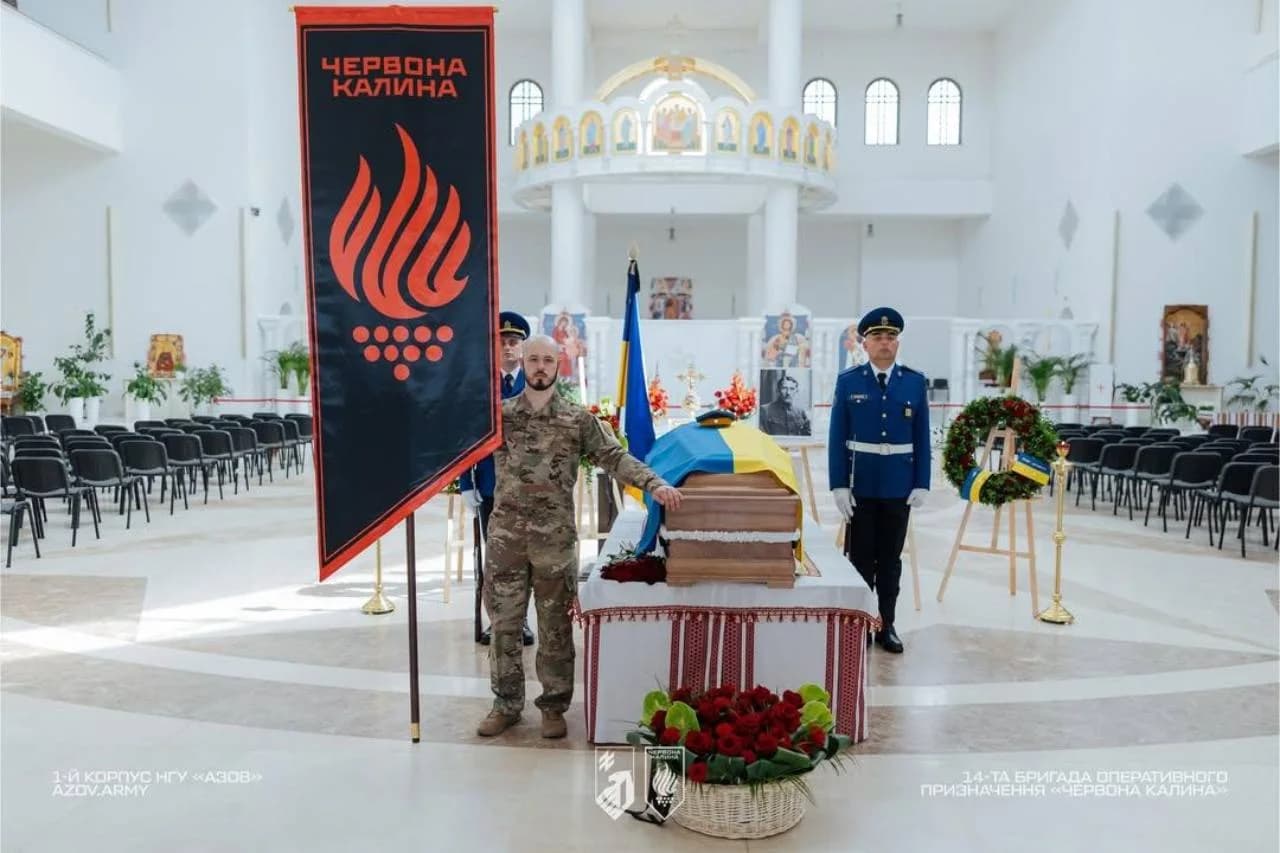
Ukraine has begun the historic process of returning the remains of Colonel Yevhen Konovalets from Rotterdam for reburial with military honours at the National Military Memorial Cemetery.
On 15 July 2026, the Cabinet of Ministers of Ukraine formally ordered the reburial of Colonel Yevhen Konovalets in Ukraine. Under Government Order No. 703-r, his remains are to be brought from the Netherlands and reburied with military honours at the National Military Memorial Cemetery near Kyiv.
The decision begins an international and state process: securing Dutch permits, exhumation and repatriation, commemorations along the route through Ukraine, and the final burial ceremony. The National Military Memorial Cemetery has described it as another step towards restoring historical justice and giving Ukraine's independence fighters their rightful place in national memory.
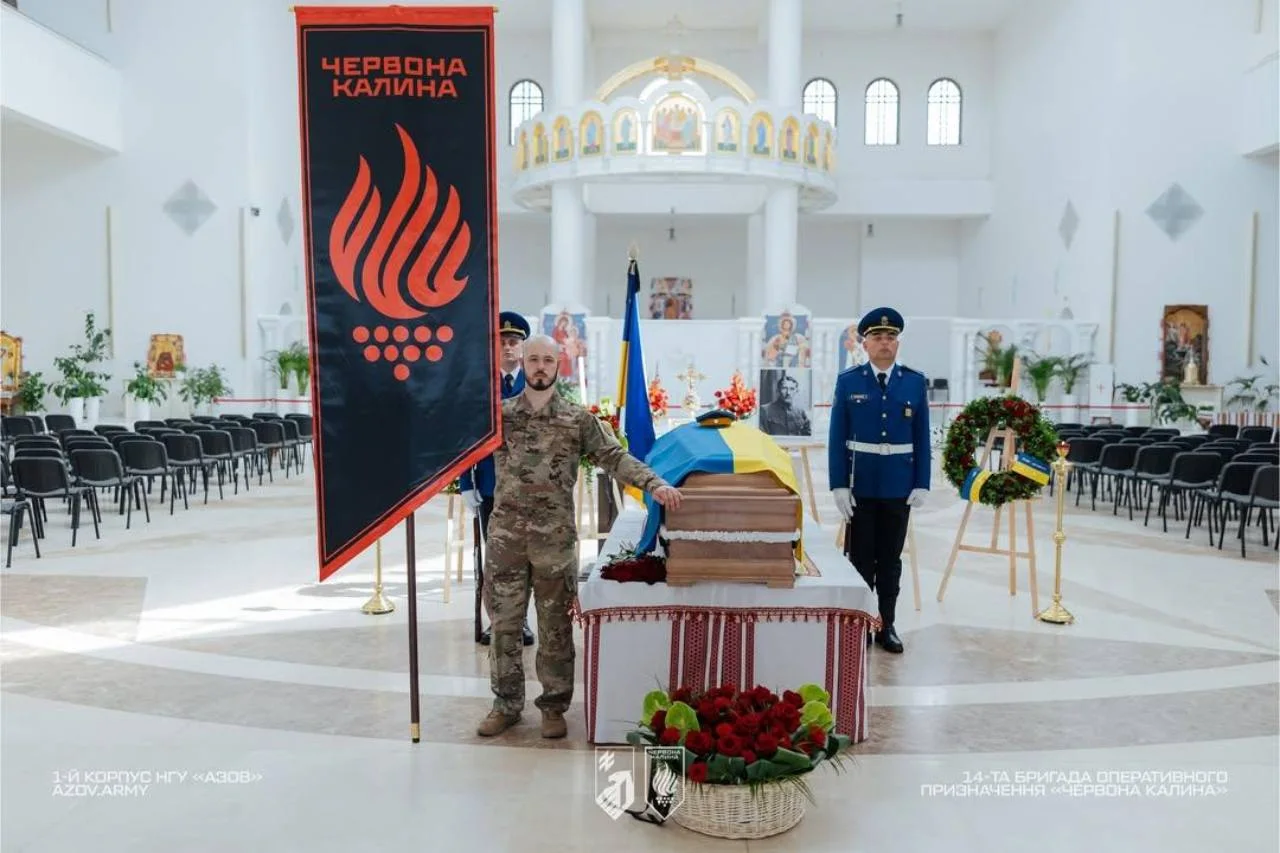
Yevhen Konovalets was born on 14 June 1891 in Zashkiv, near Lviv. He studied law and became active in Ukrainian public life before the First World War. Drafted into the Austro-Hungarian army, he was captured by Russian forces and, after the 1917 revolution, reached Kyiv.
There he emerged as one of the most capable commanders of the Ukrainian Revolution of 1917–1921. He organised and commanded the Sich Riflemen, a disciplined formation of the Army of the Ukrainian People's Republic. The unit defended Ukrainian statehood in Kyiv and fought both Bolshevik and White Russian forces.
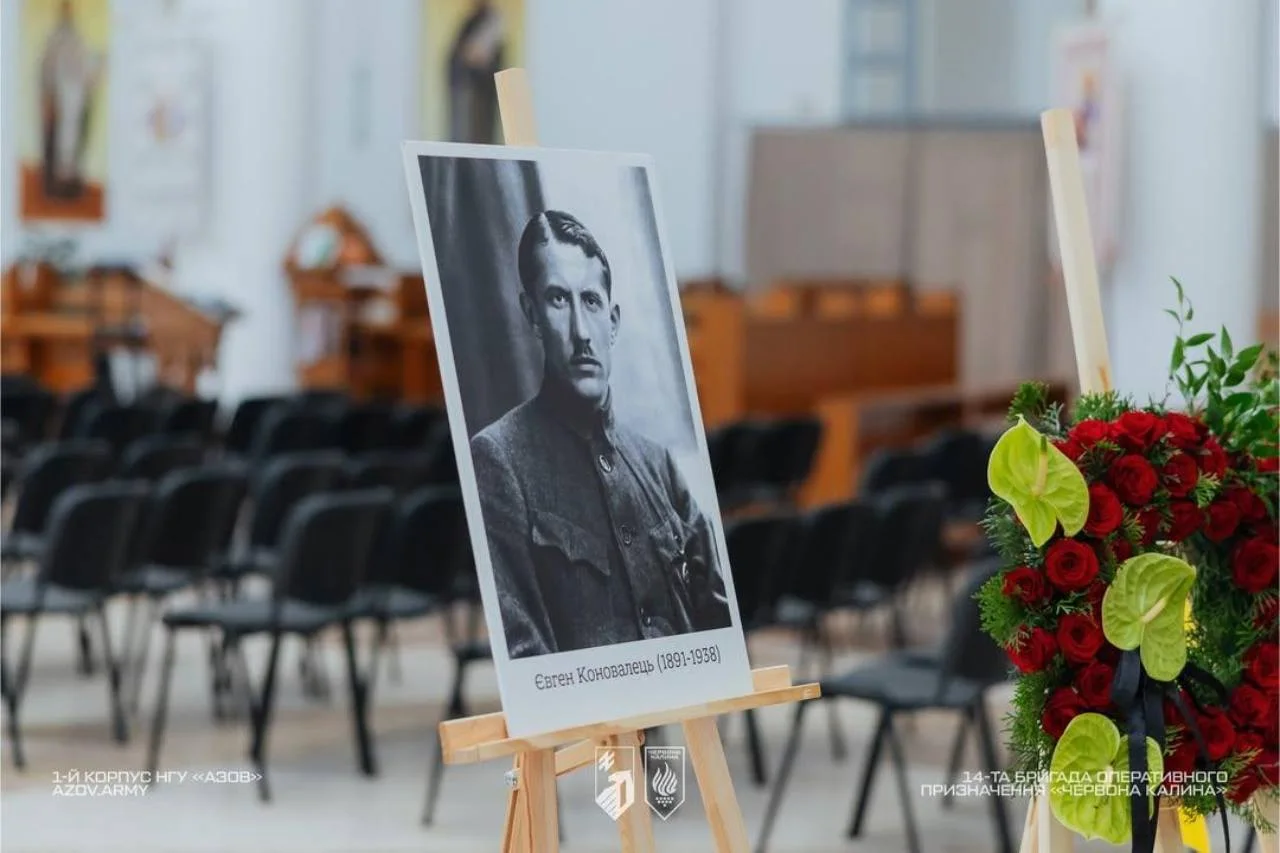
After the defeat of the Ukrainian People's Republic, Konovalets did not abandon the struggle for independence. In exile, he helped establish and led the Ukrainian Military Organisation (UVO). In 1929, he became the founder and first head of the Organisation of Ukrainian Nationalists (OUN), bringing together different groups around the goal of an independent Ukrainian state. He also developed international links and helped organise Ukrainian communities abroad.
Konovalets lived in exile because Ukrainian lands had been divided between neighbouring states and Soviet rule had been imposed on most of Ukraine. Returning home would have meant arrest or death. His work to preserve a coordinated independence movement made him a target of the Soviet security services.
On 23 May 1938, NKVD agent Pavel Sudoplatov assassinated him in Rotterdam with an explosive device concealed in a box of chocolates. The Ukrainian Institute of National Memory records that he was buried at Crooswijk Cemetery with assistance from the Lithuanian consulate. At the time, Ukraine was not an independent state to which he could be returned safely. His grave in the Netherlands therefore became a place of remembrance for generations of Ukrainians in exile.
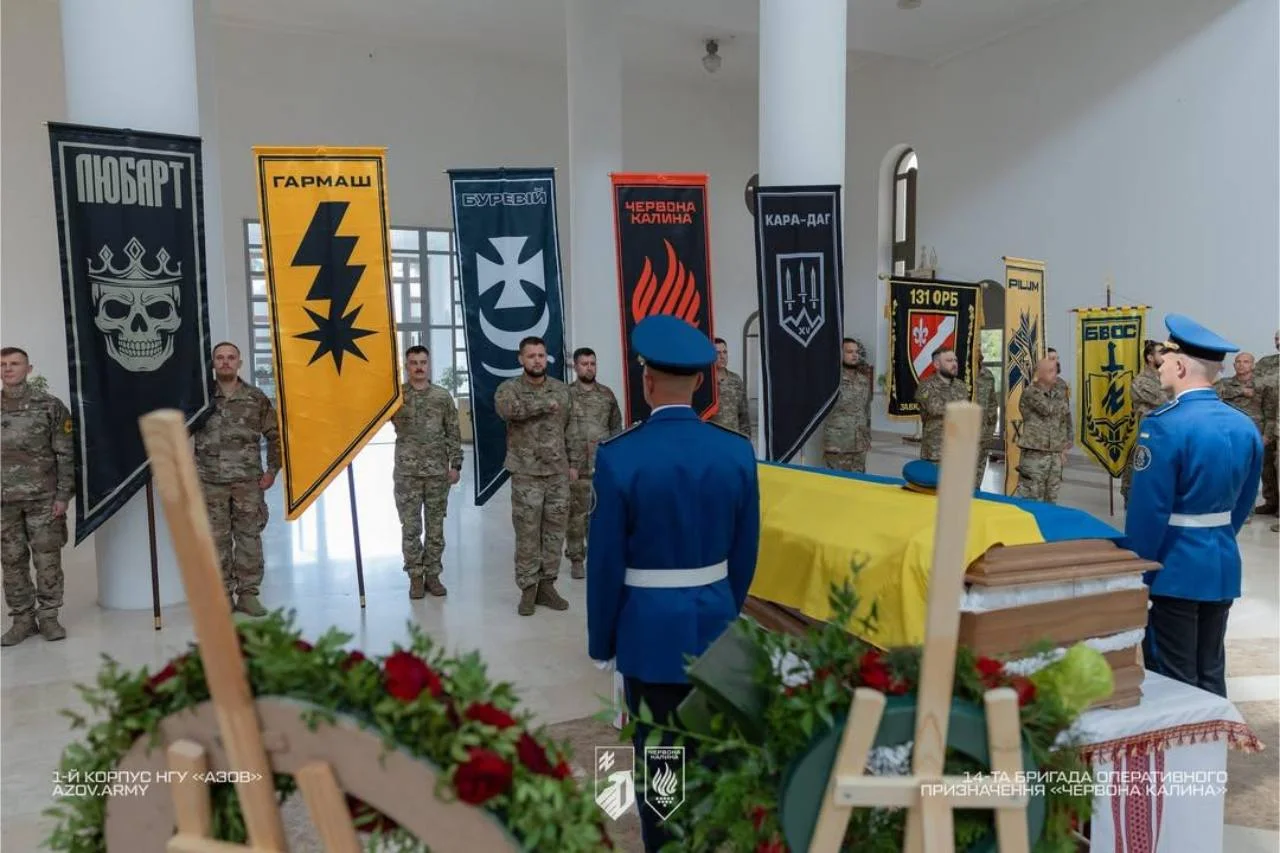
Konovalets is honoured because he devoted his life to the restoration of Ukrainian statehood across two very different stages of struggle: first as a commander of a national army, and later as the organiser of a stateless liberation movement. He maintained the idea of an independent Ukraine at a time when it had disappeared from the political map and when both Soviet repression and foreign occupation sought to erase it.
His assassination also shows how seriously Moscow regarded an organised Ukrainian independence movement. The methods have changed, but the underlying conflict is recognisable today: Russia again attempts to deny Ukraine's right to exist, while Ukrainians again defend their state, language, culture and political freedom.
This use of “hero” describes his place in Ukraine's history and national memory. It should not be confused with the formal state title Hero of Ukraine, which has not been awarded to Konovalets.
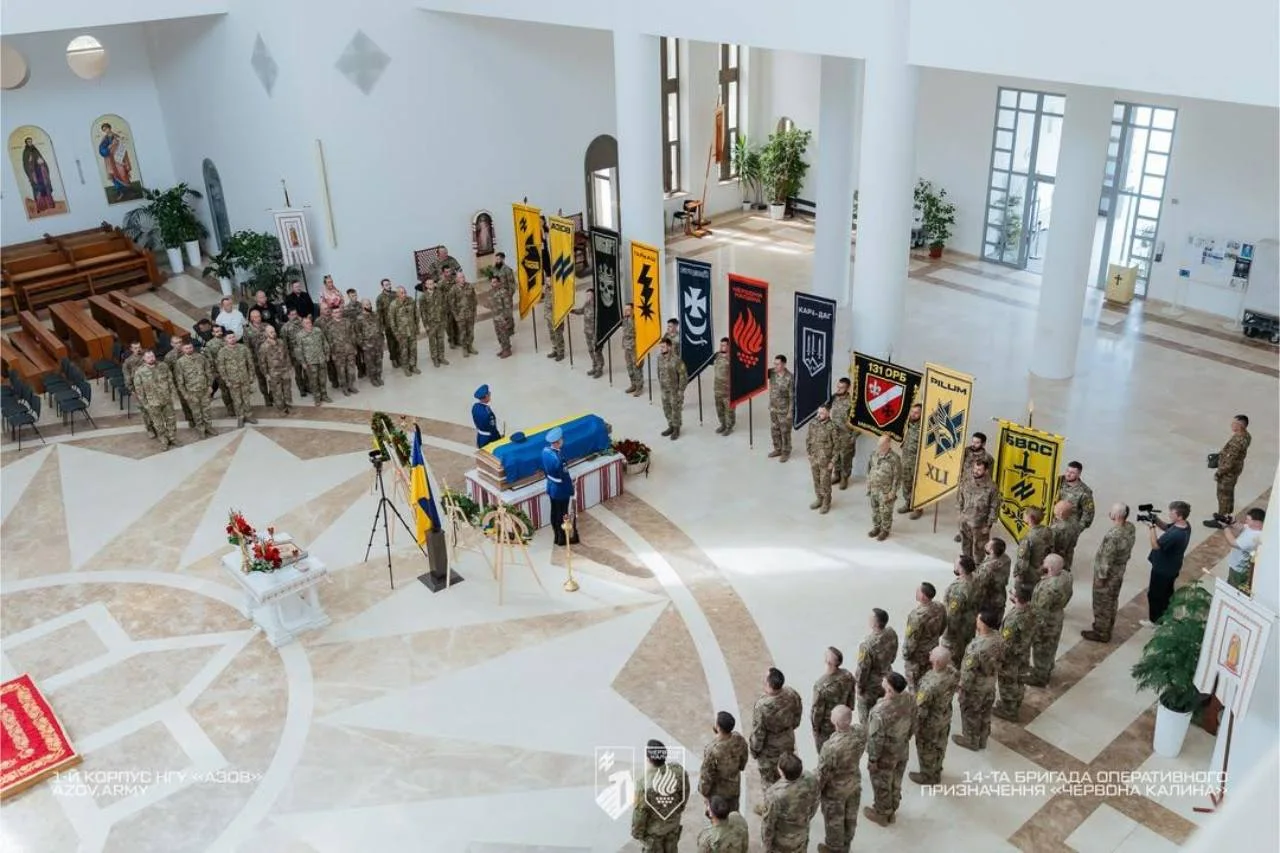
Bringing Konovalets home is more than moving a grave. It restores a broken link between the Ukrainian state of today and those who fought to establish it more than a century ago. It also corrects one of the consequences of occupation and exile: so many Ukrainian leaders died far from the country they sought to free.
His reburial at the National Military Memorial Cemetery will place him alongside defenders of present-day Ukraine. That continuity matters. It reminds us that today's Armed Forces did not inherit an empty tradition; they continue a long struggle for the same fundamental right — that Ukrainians should decide Ukraine's future.
For Ukrainians throughout the world, including our community in Australia, this homecoming carries another powerful message: distance does not end belonging. Memory can survive exile, and an independent Ukraine can finally honour those whom earlier generations were unable to bring home.
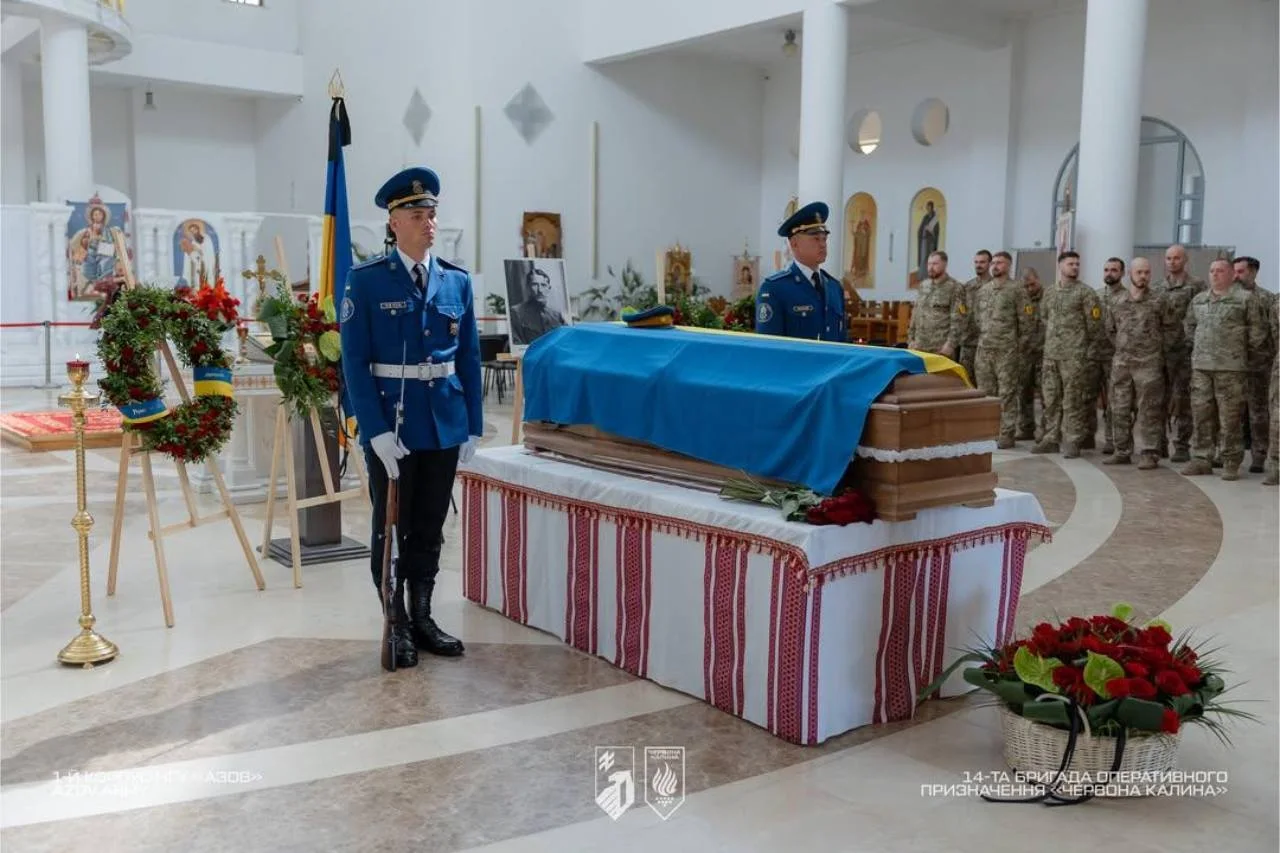
Photographs supplied to UAANT. Image credit visible in the photographs: 1st Azov Corps of the National Guard of Ukraine and the 14th Chervona Kalyna Operational Brigade.
Слава Україні! Героям слава!
More news
Ukrainian families abroad can explore a flexible pathway to Ukrainian school education and state-recognised education documents through the International Ukrainian School.
Read story
Ukrainian could return as a recognised senior secondary language in Australia. Territorians can help make sure the NT's support is heard during the national consultation.
Read story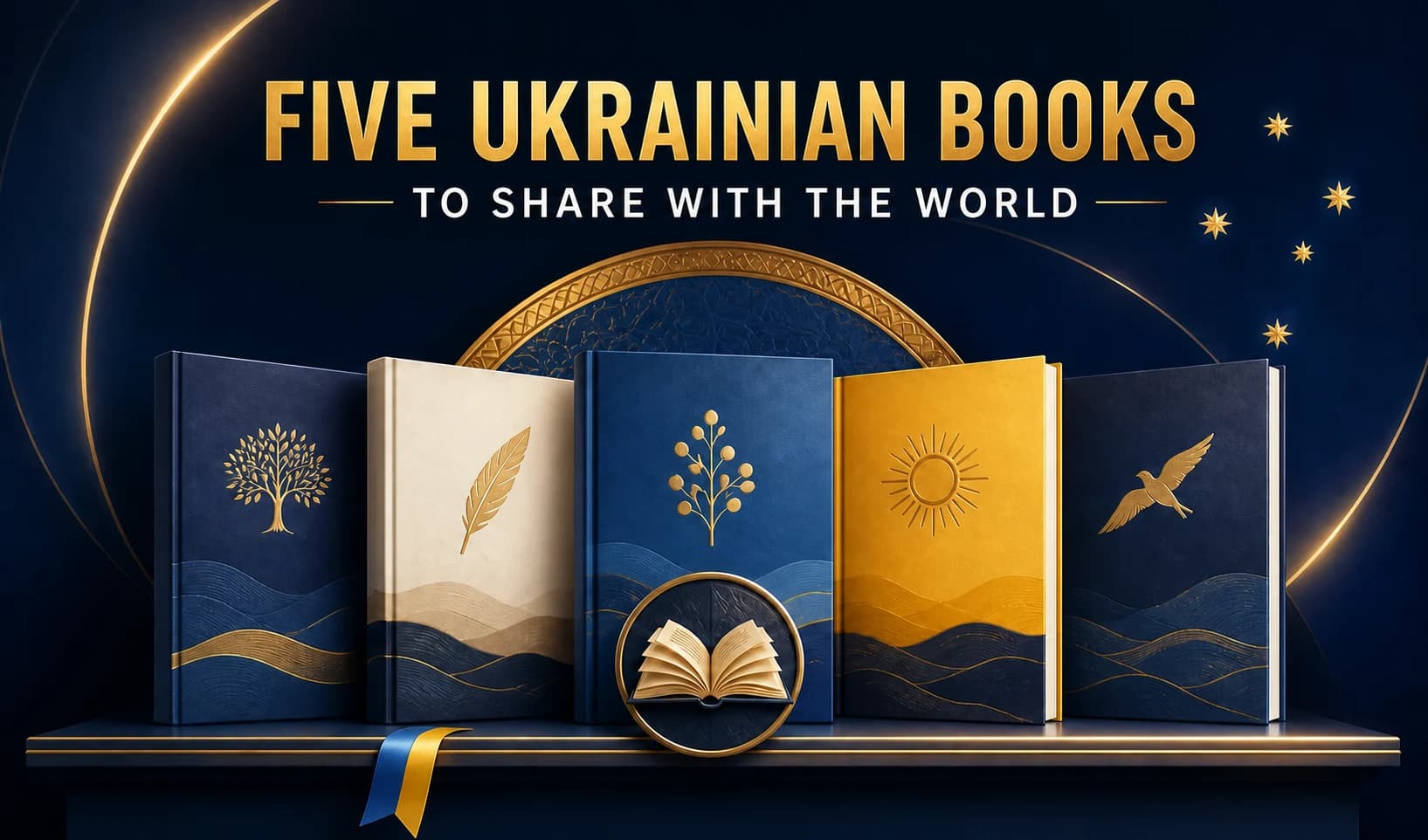
Five Ukrainian classics and contemporary novels available in English—and a simple way to make Ukrainian culture more visible in everyday conversations.
Read story
Four practical Australian Government updates for our community, including TIS National interpreter opportunities, Special Benefit information in Ukrainian, migrant worker protections, and an employer visa webinar.
Read story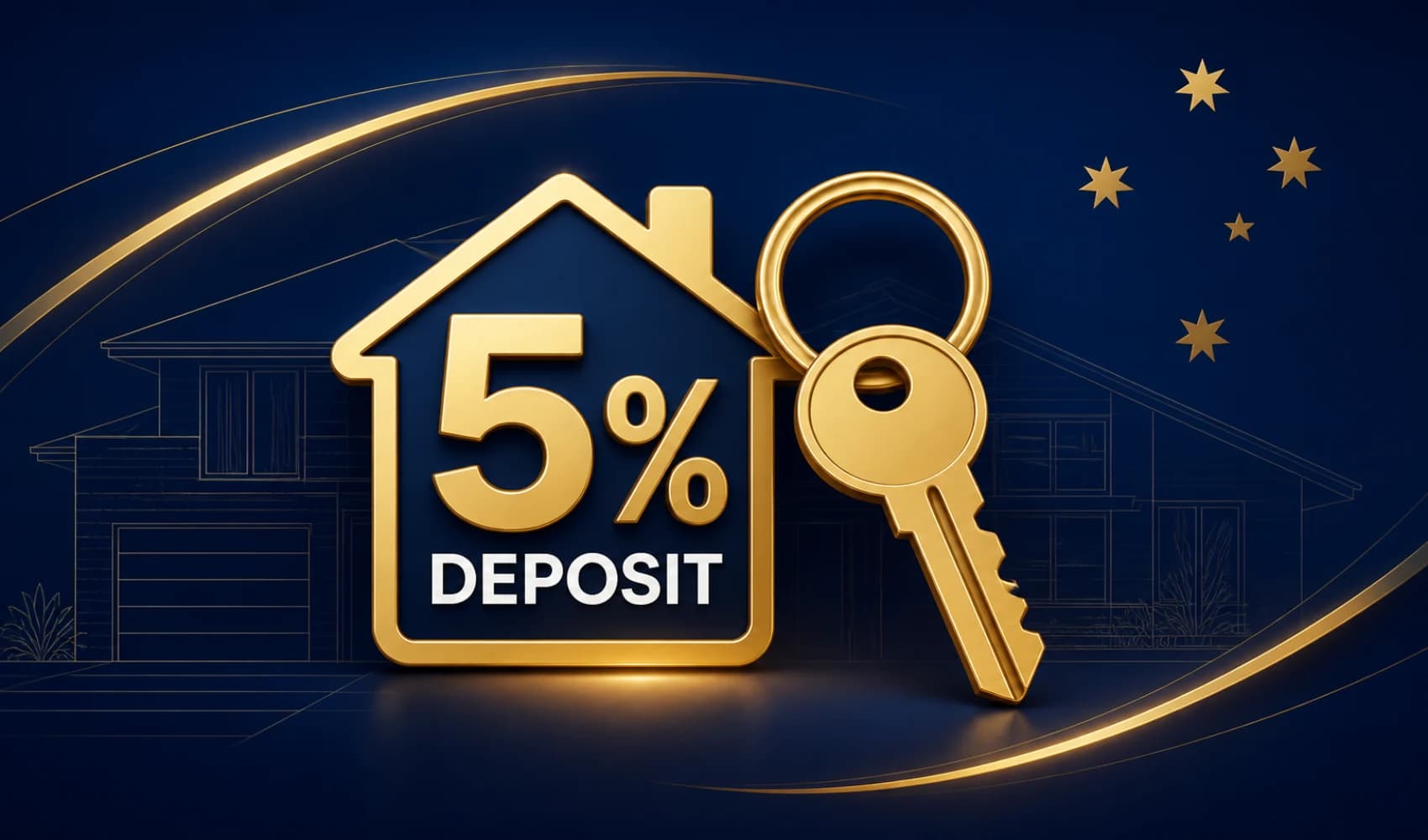
Eligible first home buyers can now apply through Dnister Bank with a deposit from 5% and without Lenders Mortgage Insurance, with Ukrainian-language support available.
Read story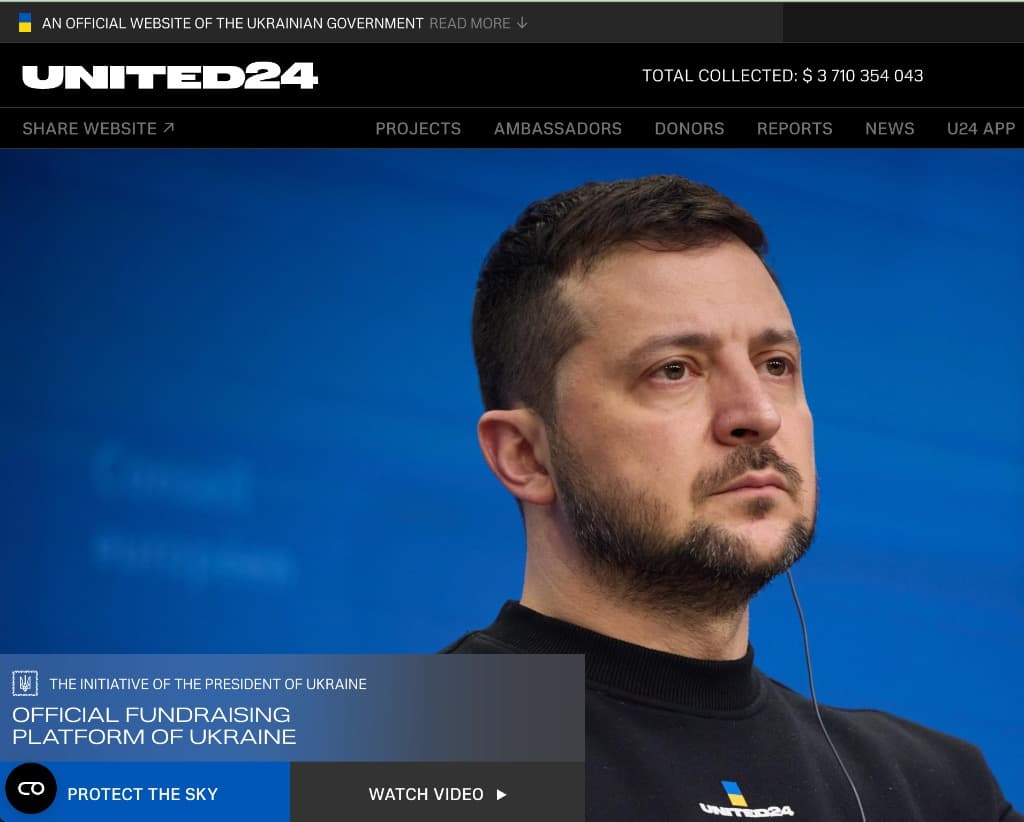
Discover why the Ukrainian Association of NT chooses UNITED24 for community donations: direct Australian Dollar (AUD) payments, transparent reporting, and verified channels of support.
Read storySupport UAANT
Every contribution — no matter the size — helps us welcome newcomers, support families, preserve our heritage, and keep the Ukrainian flame burning bright in the Northern Territory.
Direct bank transfer via PayID: uaant.inc@gmail.com · zero fees